

Restoring Skin Elasticity in Your 40s and 50s: A Combination Treatment of Lifting and Skin Boosters
2026/03/26
- news
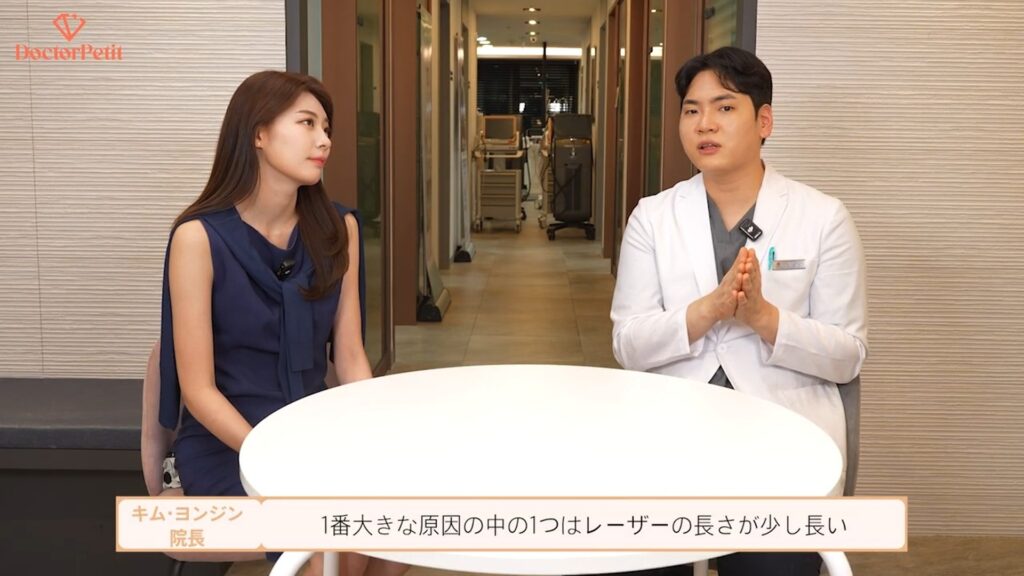
As we age, various skin concerns arise, such as loss of elasticity, deepening wrinkles, and enlarged pores. Personalized skincare becomes particularly important for those in their 40s and 50s. Gaining a proper understanding of the laser and energy-based treatments that many patients are choosing at dermatology clinics can be a great help in selecting the right treatment for you.
This article provides a detailed explanation from an expert’s perspective on the principles, effects, and precautions of representative skin treatments for those in their 40s and 50s. It covers everything from the types of lasers and their operating principles to the synergistic effects of treatment combinations—all the information you need to know for healthy skin.
Laser Wavelength and Energy Characteristics: The Difference Between Picosecond and Nanosecond Lasers
Laser treatments exhibit different properties depending on the wavelength. It is important to understand that the duration of laser exposure to the skin significantly influences both the treatment’s effectiveness and potential side effects.
Conventional nanosecond lasers cause the skin to warm up upon contact. This is not merely a sensation of warmth but indicates thermal damage. If this thermal damage becomes excessive, it can paradoxically lead to side effects such as darker pigmentation or burns after the procedure.
In contrast, picosecond lasers minimize thermal damage by drastically shortening the laser pulse duration. By delivering energy in a much shorter timeframe, they can reduce unnecessary side effects while providing a concentrated effect on the target tissue.
Various Laser Types and Their Applications: CO2 Laser vs. Er:YAG Laser
Conversely, long-pulse lasers, which intentionally extend the thermal exposure time of the laser, also play a significant role. Hair removal lasers deliver sufficient heat over an extended period to burn the hair follicles themselves, while skin tightening procedures provide sustained heat to contract the skin tissue.
CO2 lasers are widely used for removing spots, scars, and acne marks. Although the treated area appears cleanly removed immediately after the procedure, a side effect may occur where the treated area becomes slightly raised after 1 to 2 years. Due to this characteristic, it is sometimes used to treat depressed scars or crater-like acne scars. By utilizing this characteristic in reverse through fractional CO2 laser treatment, it can help improve scars.
The Erbium YAG laser has the disadvantage of making it difficult to stop bleeding during the procedure, and the results are not as clean as those of the CO2 laser. However, its advantage is that the skin regenerates to its original, normal state within 6 months to 1 year. It is important to understand the characteristics of each laser and choose the one that best suits your individual skin condition.
The Synergy of Skin Boosters and Lifting Treatments: Why They Work Best Together
The reason we recommend combining skin boosters and lifting treatments for patients in their 40s and 50s is clear. Lifting treatments work by delivering energy to the skin to generate heat, and this process can cause irritation and dryness 1–2 days after the procedure.
While lifting treatments are effective at improving skin elasticity, they inevitably cause some moisture loss due to their mechanism of action. Combining these treatments with a skin booster provides ample hydration, preventing dryness and redness after the lifting procedure and helping the skin recover quickly if these symptoms do occur.
Additionally, since skin boosters contain anesthetic ingredients or are applied with anesthetic cream prior to the procedure, performing the skin booster treatment first before the lifting procedure can significantly reduce pain. This enhances both the convenience of the procedure and patient satisfaction.
Furthermore, lifting procedures induce a regenerative process by causing microscopic thermal injury to the skin tissue. The ingredients in the skin booster play a major role in this regeneration process. In addition to water, the main component of the skin booster, various active ingredients such as PN, salmon DNA, PLA (polylactic acid), and lactic acid, along with components that regulate inflammatory responses and promote regeneration, effectively support the skin’s remodeling process. Therefore, receiving both treatments together can yield more natural and safe results with a synergistic effect.
Skin Boosters Suitable for Those in Their 20s and 30s: Pore and Sebum Control
Skin boosters are recommended not only for those in their 40s and 50s but also for those in their 20s and 30s. Younger individuals tend to be more concerned with enlarged pores and excessive sebum production than with wrinkles, and skin boosters can help address these issues.
Many people mistakenly believe that oily skin means the skin is poorly hydrated. However, in reality, the skin may be in a “combination skin” state, where some areas are dry while others are oily. When sufficient moisture is supplied to the dry areas using a skin booster, it is often observed that the entire skin remains hydrated, while excessive sebum production at unnecessary times is reduced. This is because when the skin is already sufficiently hydrated, it can suppress excessive sebum production, which acts as a defense mechanism.
When skin issues are reduced with skin boosters, makeup adheres better, and post-inflammatory hyperpigmentation caused by acne and other inflammatory conditions diminishes, resulting in a brighter, more even skin tone.
Side Effects of Laser and Energy Treatments and Safe Aftercare
All cosmetic procedures carry potential side effects. Common side effects of laser treatments can range from post-procedure redness to, in severe cases, burns. To minimize the risk of side effects and ensure thorough aftercare, it is crucial to consult an experienced specialist.
The most common side effects of skin boosters are bruising and swelling. Bruising usually improves within 1 to 2 days, and swelling subsides within 1 to 2 weeks, so there is no need for major concern.
The main side effect of lifting procedures is burns. It is safe and reliable to undergo the procedure at a professional medical facility that can immediately address any burns that occur during the procedure. If you follow the expert’s post-procedure care instructions, there is a high likelihood of recovery without scarring or hyperpigmentation.
Considerations When Choosing a Skin Treatment: The Importance of Consulting a Specialist
While there are various options available for skin in your 40s and 50s—such as laser treatments, skin boosters, and lifting procedures—the optimal treatment varies depending on your individual skin condition, concerns, and lifestyle. Rather than simply following trends, it is important to consult thoroughly with a dermatologist to determine which procedure is truly necessary for you.
Additionally, please carefully review the experience, expertise, and post-treatment care system of the medical facility where you plan to receive the procedure before making your choice. Receiving treatment in an environment capable of responding swiftly and appropriately in the event of side effects ensures much safer procedures and higher satisfaction with the results.
Source: https://youtu.be/Qa5fkE32dbE
UHCELL Dermatology Gangnam Branch (formerly Dr. Petite Clinic Dermatology Gangnam Branch) Director Kim Yeon-jin