

Summer Lifting — How Do Ulthera, Sofwave, and Onda Differ?
2026/06/30
- news
Hello. This is Dr. Kim Yeon-jin, director of UHCELL Clinic Gangnam, where we focus on each person’s own beauty.
Looking into lifting, many people get more confused because there are so many device names.
- “Ulthera, Sofwave, Onda… how are they different?”
- “Just tell me one.”
- “Is the more expensive one always better?”
To put the conclusion first: what matters in lifting isn’t “which device is best” but “what depth of approach your face needs.”
Today I’ll calmly explain how the often-compared Ulthera, Sofwave, and Onda differ, and how to choose.
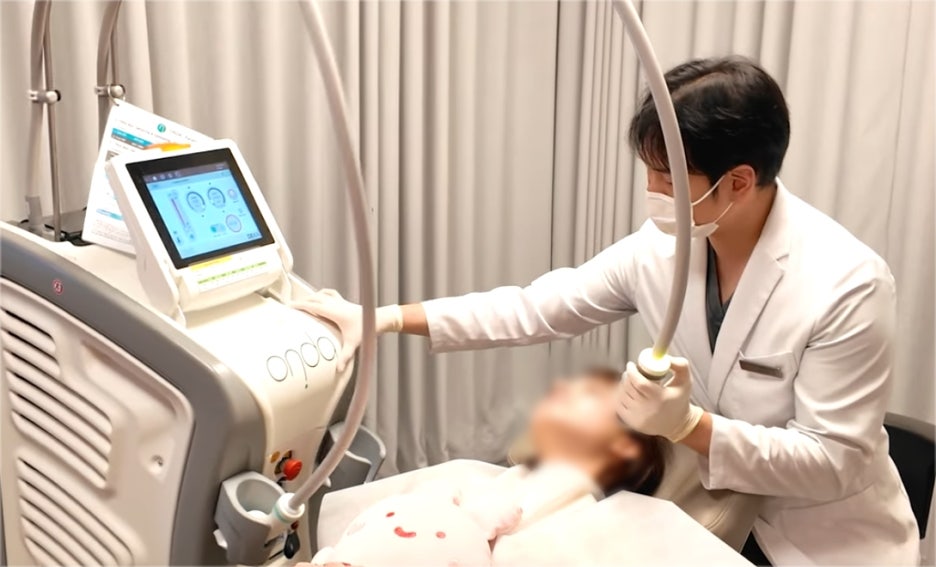
Why are there so many lifting devices?
The face differs by area in skin thickness, fat layer, and the direction of sagging.
So devices are divided by “at what depth and in what way they deliver heat.”
- Devices that target the deep support layer (SMAS)
- Devices that target collagen in the mid dermis
- Devices that target the dermis and fat layer together
So having many devices isn’t “to sell something better” but to handle the different layers of the face. That’s why no single one can be the answer for everyone.
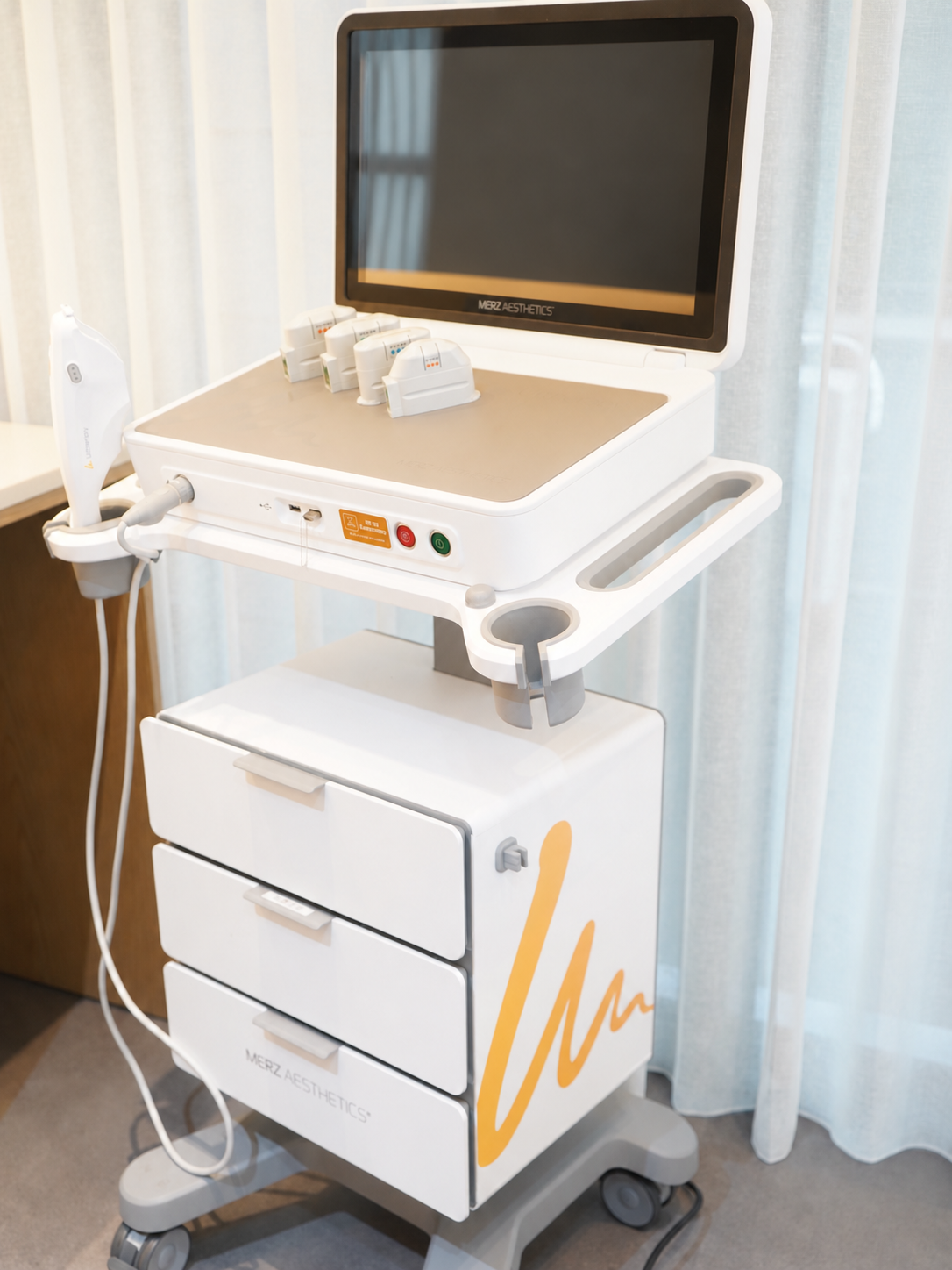
How do Ulthera, Sofwave, and Onda differ?
All three are similar in that they don’t “pull the surface” but stimulate the support structures inside the skin to help collagen remodeling. But the layer they target and the method differ.
- Ulthera (HIFU ultrasound): creates thermal coagulation points down to the deep SMAS layer; a feature is being able to approach while viewing the layers on real-time ultrasound imaging during the procedure
- Sofwave (ultrasound): delivers heat to the mid dermis to stimulate collagen
- Onda (radiofrequency microwave): delivers heat to the dermis and fat layer, addressing firmness and contour together
| Type | Main target layer | Feature |
|---|---|---|
| Ulthera | Deep SMAS layer | View layers on real-time imaging |
| Sofwave | Mid dermis | Stimulate dermal collagen |
| Onda | Dermis & fat layer | Firmness + contour together |
Rather than one being superior, the suitable approach changes depending on which layer your sagging began from.
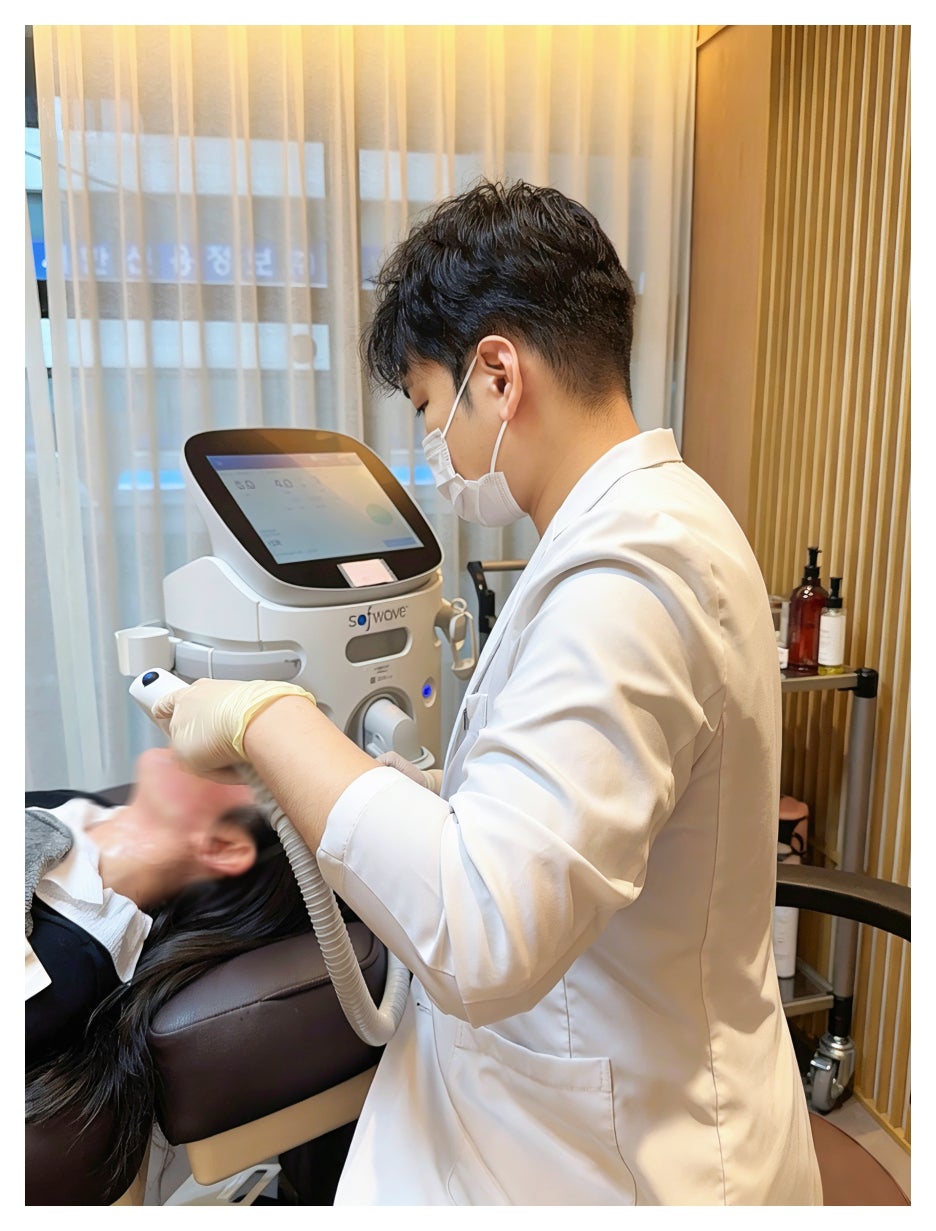
How should I view pain and cheek hollowing?
Honestly, saying it’s “painless” isn’t appropriate.
Pain varies with individual sensitivity, skin thickness, area, and energy intensity.
Another point to view conservatively is cheek hollowing. Heat energy can also affect the subcutaneous fat layer, so if applied excessively to those with little facial fat or a hollow midface, the cheeks can look more gaunt.
The key isn’t “putting in a lot” but separating areas that need support from areas where volume should be preserved. So I believe it’s safer to design conservatively, only as much as needed, rather than strongly. Change generally appears gradually over weeks to months along with collagen remodeling, with individual variation.
So what should I get?
Rather than comparing only device names or intensity, you first need to distinguish what to preserve on your face from the sagging that needs improvement.
- If deep sagging is the concern, an approach that targets the deep layer
- If fine firmness and texture are the concern, an approach that targets the mid layer
- If you want contour and firmness together, an approach that targets the dermis and fat layer together
Rather than sticking to a single device, depth-different methods are sometimes combined when needed. In the end, lifting isn’t pulling the face up blindly but is closer to a process of reorganizing lost balance.
Frequently Asked Questions (FAQ)
Which of the three is best to get?
“Deciding on one” is difficult. The layer and method differ, and the suitable approach changes depending on which layer your sagging began from. It’s accurate to first see your facial conditions through a specialist consultation.
Does one session show effects right away?
Rather than an immediate change, results are often observed gradually over weeks to months along with collagen remodeling. Effects and how it feels vary widely by individual.
Can I receive multiple devices together?
Depth-different methods are sometimes combined, but adding more isn’t always better. It’s safer to design only as much as each area needs, and the makeup is best decided through a consultation.
I heard lifting makes cheeks hollow — is that true?
When energy is applied excessively, those with little facial fat may feel that way. That’s exactly why we separate areas to preserve from areas to stimulate and design conservatively.
Lifting results depend not on “which device is best” but on “which layer of your face you address and how.”
Even when it looks like the same sagging, for one person a single approach is enough, while another needs depth-different methods looked at together.
If you’re curious which applies to your face, a specialist consultation is more accurate than self-diagnosis.
At UHCELL Clinic Gangnam, we first examine your facial line and the direction of sagging, then guide you to only what you need right now — without pushing unnecessary procedures.
If you’d like a quick skin check while you’re in Gangnam, Seoul — or you’re visiting for travel or business — please feel free to stop by. (Japanese, Chinese, and English interpretation available.)
※ Results and progress vary by individual; for an accurate assessment, please consult a specialist.
This was Dr. Kim Yeon-jin, director of UHCELL Clinic Gangnam.
📍 UHCELL Clinic Gangnam, Lifting Center: 13, Teheran-ro 8-gil, Gangnam-gu, Seoul (WD Building, 2–3F)
📍 UHCELL Clinic Gangnam, Anti-aging Center: 11, Teheran-ro 10-gil, Gangnam-gu, Seoul (UH FLAT GANGNAM Hotel, 2F)
📞 02-6941-0375