
Does Lifting Hollow Out Your Cheeks? How Far That’s True
2026/08/20
- Skin Care
“I heard someone’s cheeks looked hollow after a lifting treatment.”
That came up in a consultation yesterday.
The worry isn’t baseless.
But it’s less about having had a lifting treatment, and more about where and how much energy went in.
When I get this question, I don’t start with the device.
I start by separating, on that person’s face, what should be preserved from what should be reshaped.
What’s actually happening when cheeks look hollow
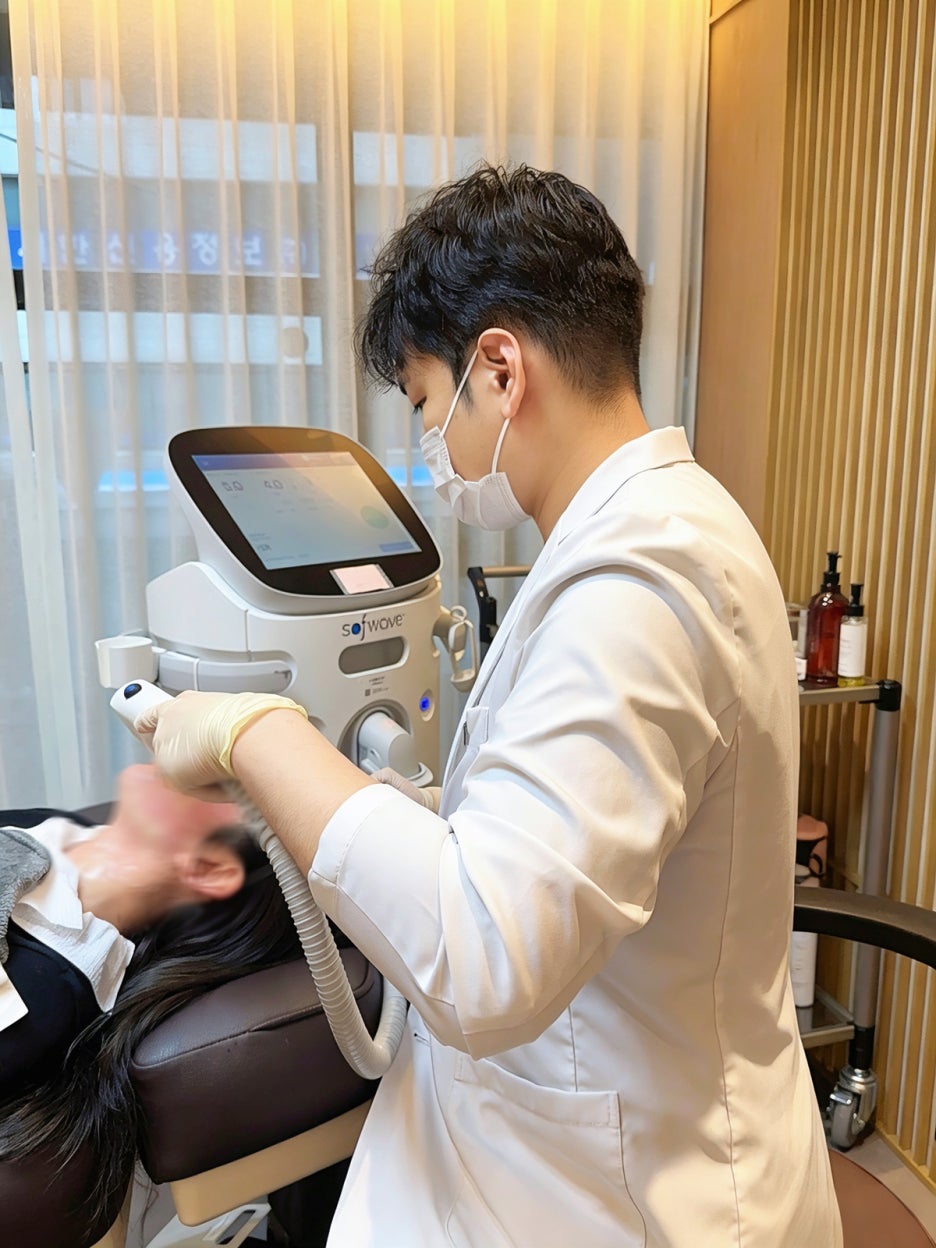
Most lifting devices deliver heat or ultrasound energy to a specific depth in the skin.
The layers usually named are the lower dermis, the subcutaneous fat layer, and the SMAS that supports the face.
The subcutaneous fat layer is where the trouble starts.
When too much energy reaches it, fat that wasn’t plentiful to begin with can look further reduced.
So the same treatment produces different outcomes.
- Someone with fuller cheeks: the contour reads as tidied up
- Someone whose midface is already hollow: the drawn look can stand out more
That’s why I look at facial fat distribution first in a consultation.
Same age, same degree of sagging — the plan still diverges here.
Putting in more and putting it in well are not the same
Many people assume more shots means a better result.
I don’t see it that way.
What matters in lifting isn’t the total, it’s the placement.
Separating areas that need support, like the jawline, from areas that need their volume protected, like the cheeks, comes first.
Forcing energy in tends to produce hollowing or an unnatural line instead.
The amount needed, where it’s needed. That’s my standard.
I look at skin thickness alongside it.
For thinner skin, the same setting can read differently, so I go more carefully.
Why each area has to be judged on its own
A face isn’t one single surface.
The eye area, temples, and around the cheekbones have thin, reactive skin.
Cheeks and the jawline sit over thicker tissue and respond differently to the very same energy.
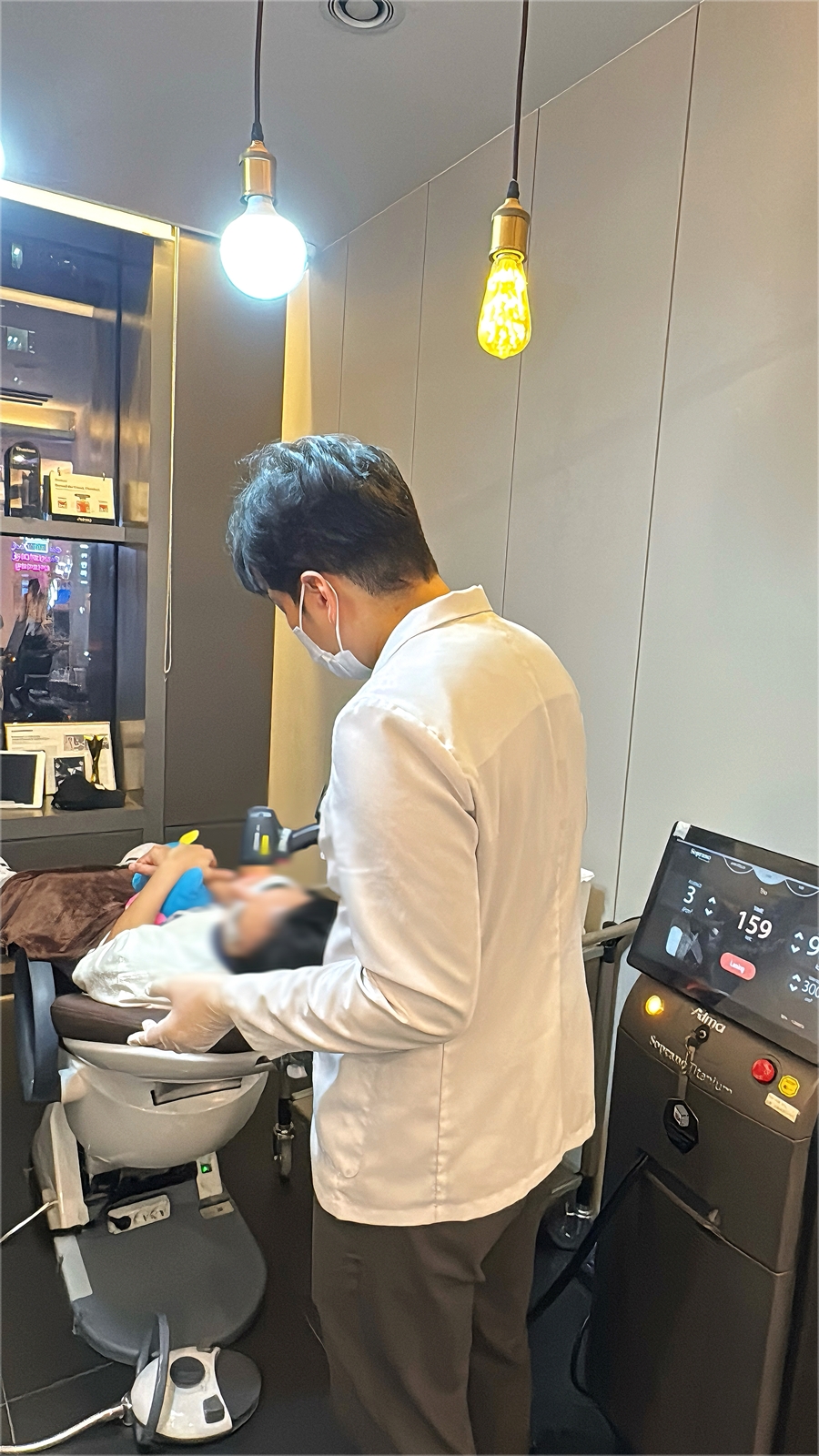
When the midface already looks hollow, I avoid that area or lower the setting.
I concentrate instead on the lower face where sagging has progressed.
Separating it this way changes the outcome.
It’s closer to restoring a balance that has shifted than to treating the whole face uniformly.
I describe this as tidying rather than lifting.
What I ask about during the consultation
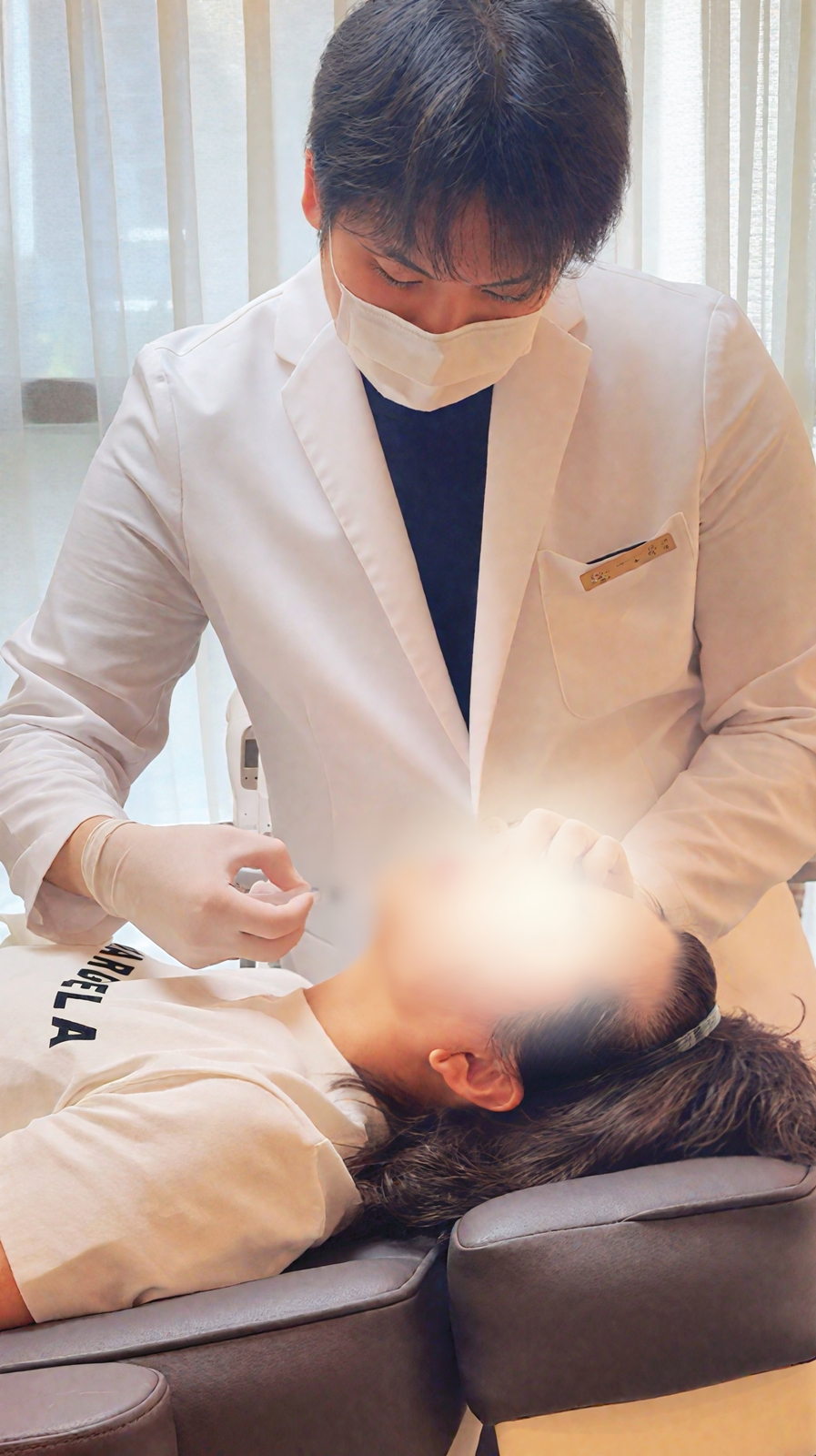
For patients who come in worried about hollowing, I check the following.
- Whether your weight has changed recently
- Whether the midface or temples already look hollow to you
- Which lifting treatments you’ve had, and how they felt
- Which part bothers you most in photos
The third matters especially.
Previous treatment history affects how I plan this one.
If volume is already lacking, I don’t approach it with lifting alone.
Deciding the order — what to restore and what to reshape — together tends to be more stable.
Frequently Asked Questions (FAQ)
If I’m worried about hollowing, should I just skip lifting?
Not necessarily. In many cases it can be done by adjusting the area and the setting. Confirming your facial fat distribution before planning comes first.
Do more shots mean better results?
That’s hard to claim. Where the energy is applied and at what depth affects the outcome more than the total number.
If hollowing happens, can it be reversed?
The approach depends on your condition. Because this varies by person, it’s best to confirm your current state and sort it out together in a consultation.
I’m on the thin side — can I still have lifting?
Often yes, but areas with less fat need to be avoided or treated at a lower setting. We check area by area during the consultation.
Avoiding hollow-looking cheeks after lifting isn’t a matter of simply turning the intensity down.
It starts with separating what should be preserved from what should be reshaped.
At UHCELL Clinic Gangnam, we confirm skin thickness, facial fat distribution, and the direction of sagging, then walk you through the range of care that’s actually needed.
※ Individual results and recovery periods may vary. We recommend consulting a specialist for an accurate medical diagnosis.
This was Dr. Kim Yeon-jin, Chief Physician at UHCELL Clinic Gangnam.
Consultation is available in English, Japanese, and Chinese.
Parking: 3 hours of free parking is available in the building. Alternative parking: Yeoksam Pureunsol Library at KRW 300 per 5 minutes (parking fees are not covered).
Lifting Center: 2F-3F WD Building, 13 Teheran-ro 8-gil, Gangnam-gu, Seoul
Anti-aging Center: 2F UH FLAT GANGNAM Hotel, 11 Teheran-ro 10-gil, Gangnam-gu, Seoul
+82-2-6941-0375