

Why Pigmentation Darkens Even in the Rainy Season — How We Manage It in Gangnam
2026/06/23
- KO-한국어
- |
- news
Hello. This is Dr. Kim Yeon-jin, director of UHCELL Clinic Gangnam, where we focus on each person’s own beauty.
When the rainy season begins, I often hear these concerns in the clinic:
- “It’s rainy and cloudy, yet my skin looks duller.”
- “Every time summer passes, my melasma seems a shade darker.”
- “I do wear sunscreen, but spots have increased.”
When cloudy days set in, it’s easy to take UV lightly.
But from the standpoint of pigment, the rainy season is actually when it’s easiest to let your guard down.

Why does pigment darken during the rainy season?
Even on cloudy days, some UV passes through the clouds.
In particular, the UV most linked to pigment (UVA, the long wavelength that reaches deep into the skin) passes through glass and clouds to a considerable degree.
Add summer heat and humidity, and the skin develops fine inflammation more easily, and that irritation makes melanin (the pigment created to protect the skin) more active.
So “a rainy day = safe from UV” simply isn’t true.
If anything, it’s easy to skip protection, and I often see pigment quietly building up.
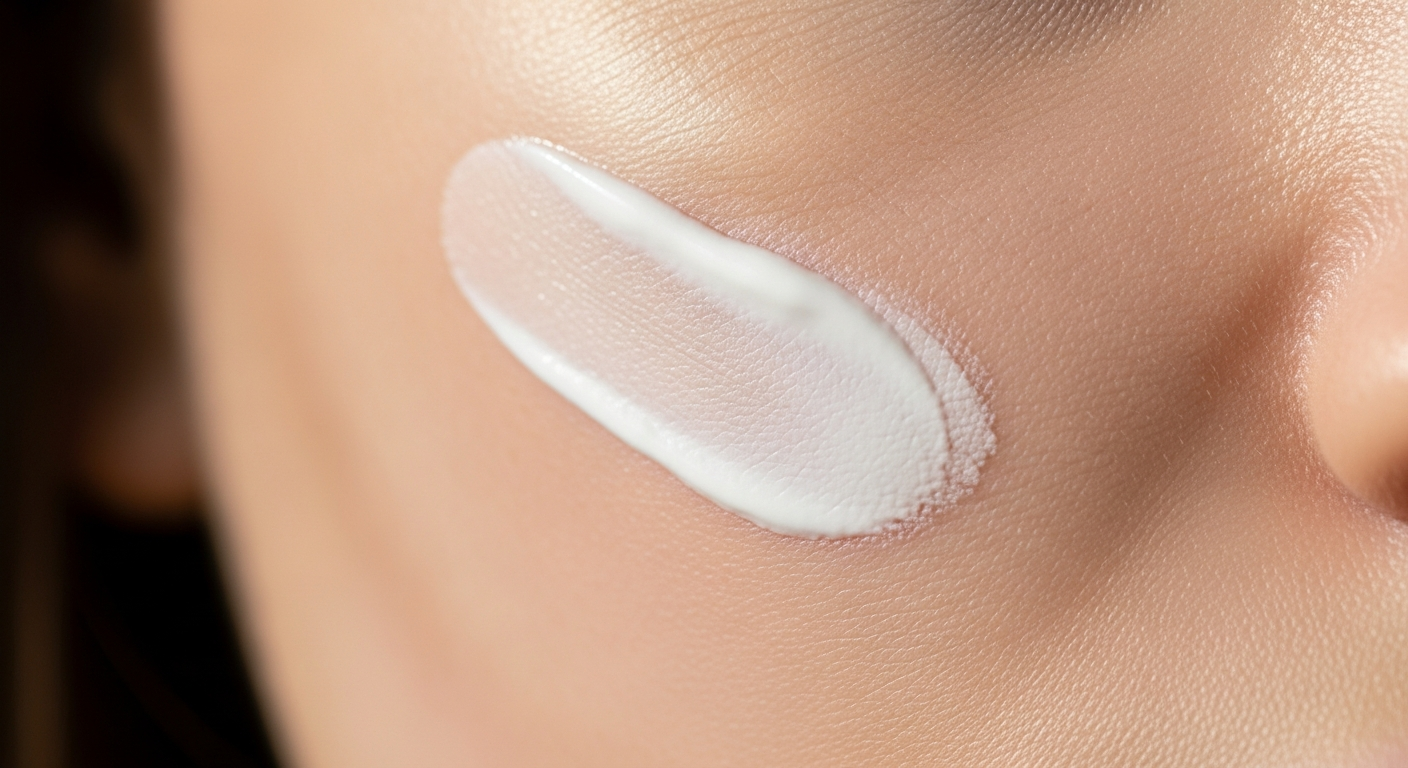
Are melasma, freckles, and pigmentation all the same?
Not all pigmentation is the same. When the cause and depth differ, the approach changes too.
- Melasma: spreads mainly over the cheeks and cheekbones, strongly influenced by UV and hormones. It often reaches the dermis, making it harder to manage.
- Freckles: tend to be genetic and darken in response to sunlight.
- Post-inflammatory hyperpigmentation: the brown marks left after acne or wounds settle.
They may look similar on the surface, but because their depth differs, they can’t all be managed the same way.
So rather than self-diagnosing “this is melasma,” it matters to first distinguish which kind of pigment it is.
How far can home care actually go?
This doesn’t mean home care is meaningless. In fact, the basics are built at home.
- Daily UV protection (even on cloudy days, even by an indoor window)
- Tone care with antioxidant ingredients
- Enough moisture to restore the skin barrier
Still, there are clear limits.
Light pigment near the surface (epidermis) may settle in tone with consistent home care.
Pigment rooted in the dermis, however, is hard to reach with topical products alone.
That’s exactly why so many people say, “I’ve used brightening products for months and nothing changes.”
How does a clinic approach pigmentation?
The core of clinical pigment care is not “strong, all at once” but “matched to depth, in stages.”
Laser toning and pico toning (breaking pigment into fine particles with short pulses) work on the idea of gradually breaking pigment down so the body naturally clears it.
Here is something I want to share honestly.
- Pigment usually doesn’t disappear in one session. Depending on the type, it’s often approached over several sessions, a few weeks apart.
- Energy that’s too strong can actually leave post-irritation pigment, so a conservative design is safer.
- Results and the number of sessions needed vary widely from person to person.
| Type | Key point |
|---|---|
| Epidermal pigment | Tends to respond relatively quickly, but still needs upkeep |
| Dermal pigment (melasma, etc.) | Slowly, over multiple sessions. Not overdoing it matters |
That’s why I believe the most important thing in pigment care is not the name of the device, but the process of first reading “what type of pigment you have and at what depth.”
Frequently Asked Questions (FAQ)
Should I wear sunscreen even in the rainy season?
Yes. Even on cloudy days, a significant portion of the UV linked to pigment still passes through. Indoor windows are no exception, so I recommend applying it daily. That said, products and lifestyle differ for everyone, so it’s best to review them together during a consultation.
How many pigment laser sessions are needed?
It varies with the type, depth, and skin condition, so it’s hard to state definitively. It’s often done over several sessions, and the number and interval are best decided after a specialist’s diagnosis.
Will one strong session make it better faster?
Not necessarily. Excessive irritation can actually leave pigment behind, so a conservative approach matched to depth is safer.
I can’t tell whether it’s melasma or freckles.
They’re often hard to tell apart by appearance alone. Since the direction of care changes depending on the type of pigment, I recommend getting a diagnosis first.
Pigment care changes completely depending on “why it formed and at what depth it sits.”
Even when it looks like the same melasma, for one person reinforced home care is enough, while another needs step-by-step care.
If you’re curious which applies to you, a specialist consultation is more accurate than self-diagnosis.
At UHCELL Clinic Gangnam, we first examine the type and depth of the pigment, then guide you to only what you need right now — without pushing unnecessary procedures.
If you’d like a quick skin check while you’re in Gangnam, Seoul — or you’re visiting for travel or business — please feel free to stop by. (Japanese, Chinese, and English interpretation available.)
※ Results and recovery time vary from person to person; for an accurate diagnosis, please consult a specialist.
This was Dr. Kim Yeon-jin, director of UHCELL Clinic Gangnam.
📍 UHCELL Clinic Gangnam, Lifting Center: 13, Teheran-ro 8-gil, Gangnam-gu, Seoul (WD Building, 2–3F)
📍 UHCELL Clinic Gangnam, Anti-aging Center: 11, Teheran-ro 10-gil, Gangnam-gu, Seoul (UH FLAT GANGNAM Hotel, 2F)
📞 02-6941-0375